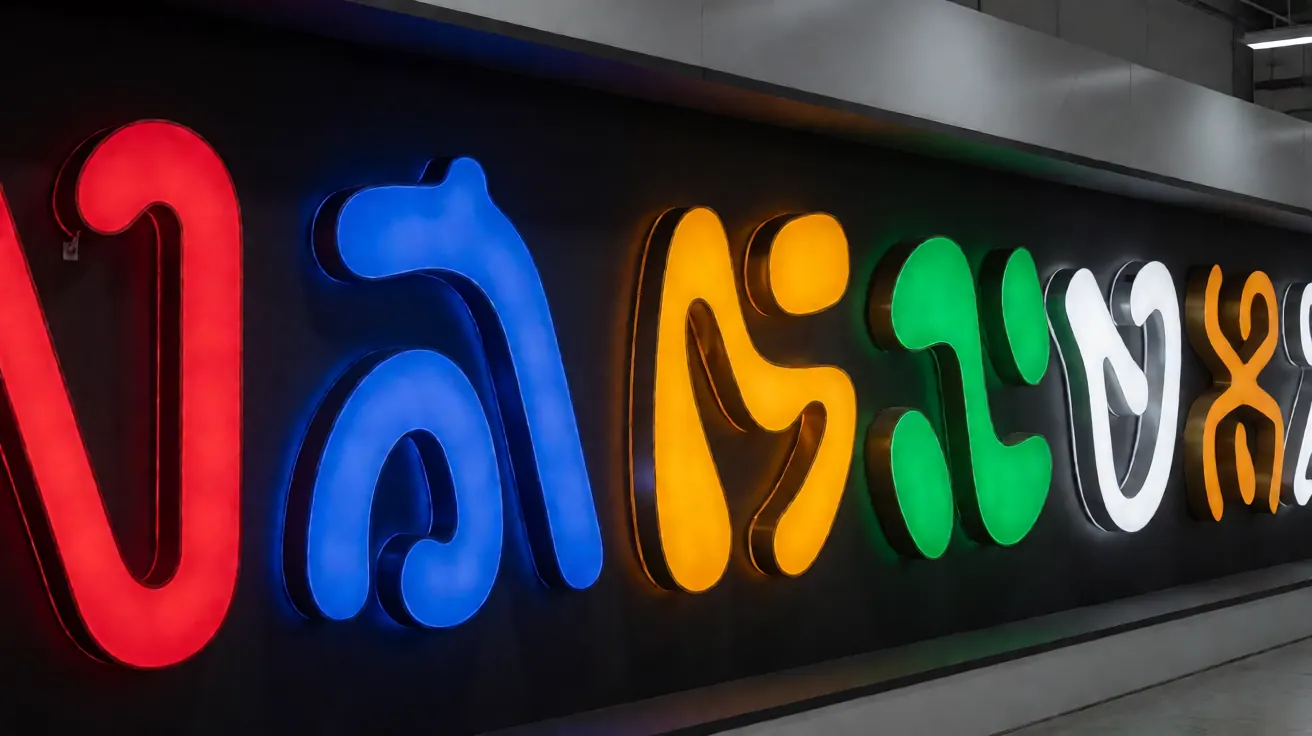
For a permanent exterior installation, metal letters outlast acrylic: aluminum and stainless steel hold their finish for a decade or more in sun and weather, while acrylic faces yellow, craze and can crack in the same exposure. But “acrylic or metal” is usually the wrong question, because the letters that survive longest are hybrids — metal returns carrying acrylic faces, each material doing the job it is best at. Here is what actually fails, and which material survives it.
Stainless letter shells being welded. The return is structure; the face is optics.
The Two Materials, Properly Understood
Acrylic is the face material of the sign industry: cast or extruded PMMA, 3 to 6 mm, translucent and printable. It is what makes a front-lit letter glow evenly. It is also a plastic — UV exposure, heat cycling and solvent cleaning all attack it over time.
Metal is the structure and the visible skin: aluminum (powder-coated, anodized or raw), stainless steel (brushed or polished), and occasionally brass or bronze where patina is the point. Metal does not glow, so it cannot be the face of a front-lit letter — it is the return, the trim, the backplate and the halo-lit shell.
What Actually Goes Wrong Outdoors
Failure mode
Acrylic
Aluminum
Stainless
UV yellowing
Yes — cast resists longer than extruded
No, but powder coat chalks
No
Heat / cold cycling
Expands and contracts; can craze or crack
Stable
Stable
Salt air (coastal)
Unaffected by salt, affected by sun
Can pit if coating is breached
304 shows tea staining; 316 resists
Impact
Cracks, does not dent
Dents, does not shatter
Dents, holds finish
Cleaning chemicals
Alcohol and ammonia haze it
Tolerates most cleaners
Tolerates most cleaners
Repairability
Replace the panel
Repaint or replace the return
Repolish or replace
Read that table as a division of labour: acrylic wins on light transmission and loses on UV life; metal wins on UV and weather and loses on light. A well-built sign uses each for its strength.
Weight, and Why It Decides More Than You Think
A 24-inch stainless letter is heavy — the wall, the substrate and the mounting method all have to carry it. Aluminum is roughly a third of the weight for the same shell, which is why it dominates fascia work. Acrylic faces weigh almost nothing and are the only practical choice for large illuminated panels. If you are mounting on EIFS, brick or a curtain wall, weight decides the material before aesthetics do.
Halo-lit letters are metal shells by definition: the light comes from behind them.
Lighting Sets the Rules
Front-lit letters need a light-transmitting face: acrylic or polycarbonate. A solid metal face cannot be front-lit.
Halo-lit letters need an opaque shell and an open back: metal is the natural choice, and it is what gives the crisp halo outline.
Non-illuminated dimensional letters can be all metal, or acrylic-faced for colour without lighting.
Flat cut lettering is usually aluminum or stainless plate — cheap, sharp, no depth.
Finishes, and the Cost Logic Behind Them
Metal gives you brushed, polished, anodized and powder-coated surfaces; the finish, not the alloy, often sets the price. Powder coating on aluminum is the workhorse for painted brand colours. Brushed stainless is the premium look for halo-lit work. Polished finishes look best for a year and then show every fingerprint unless they are maintained.
Acrylic gives you colour through the material or printed on the back, which is why front-lit letters can match a brand colour precisely and still glow evenly. That colour fidelity is the reason face panels stay acrylic even on signs whose shells are steel.
Which to Specify
Project
Specification
Reasoning
Storefront fascia, illuminated
Aluminum returns + acrylic faces
Light transmission with a weather-stable shell
Premium halo-lit branding
Stainless returns, open back
The halo needs an opaque metal shell
Coastal installation
316 stainless or marine-grade coating
Salt resistance, not just UV resistance
Large backlit panel
Acrylic or polycarbonate face, aluminum frame
Weight and even light spread
Interior reception lettering
Acrylic or aluminum, unlit
No weather exposure to worry about
Budget-driven exterior
Aluminum returns + acrylic faces
Lowest cost that still survives outdoors
FAQ
Will acrylic letters yellow?
They can, with enough UV. Cast acrylic resists far better than extruded, and a UV-stable grade is what we specify for exterior faces. Expect colour shift over many years rather than months; if a face does yellow, it is replaced as a panel without touching the letters.
Is stainless always better than aluminum?
No. Stainless is heavier, harder to work and more expensive, and its advantage is corrosion resistance in harsh or coastal environments. For painted letter shells on a normal inland storefront, powder-coated aluminum is the better value and performs well.
Can I mix materials on one sign?
That is the standard build. Metal returns, acrylic faces, aluminum raceway, sometimes a stainless trim. Mixed materials are normal; mismatched expansion and dissimilar-metal contact are the things to avoid, and that is a fabrication detail we handle in the shop drawings.
What about polycarbonate instead of acrylic?
Polycarbonate is tougher and resists impact better; acrylic transmits light better and resists UV-driven yellowing better. For high-vandalism locations polycarbonate earns its place; for a standard illuminated face, acrylic is the usual specification.
How do I keep either one looking new?
Wash with water and a mild detergent, never ammonia or alcohol on acrylic, and never an abrasive pad on a brushed finish. Beyond cleaning, both materials are maintenance-free apart from replacing LED modules when they eventually fail.
Related
Channel letters — front-lit, halo-lit, mini and push-thru, built to your spec.
Tell us the exposure — inland or coastal, sun or shade, wall type — and we will recommend the material and finish, then quote it with the mounting drawings included.
Channel letters are the right choice for a storefront that must be read from the street; LED neon is the right choice for an interior wall read from a few feet away. The deciding factor is not style, it is distance and light: channel letters are three-dimensional boxes that throw light outward and hold a logo at 100 feet, while LED neon is a single flexible line of light that shines at close range and reads as texture, not as an illuminated sign. Most businesses end up using both — letters outside, neon inside.
Channel letters: three-dimensional, internally lit, built to be read from the street.
What Each One Actually Is
Channel letters are fabricated metal boxes — typically aluminum returns with an acrylic face — each shaped as a finished letter, lit from inside by LED modules. Front-lit letters glow through the face; halo-lit letters glow against the wall behind them. They are electrical fixtures: they need a power feed, a raceway or individual penetrations, and usually a permit.
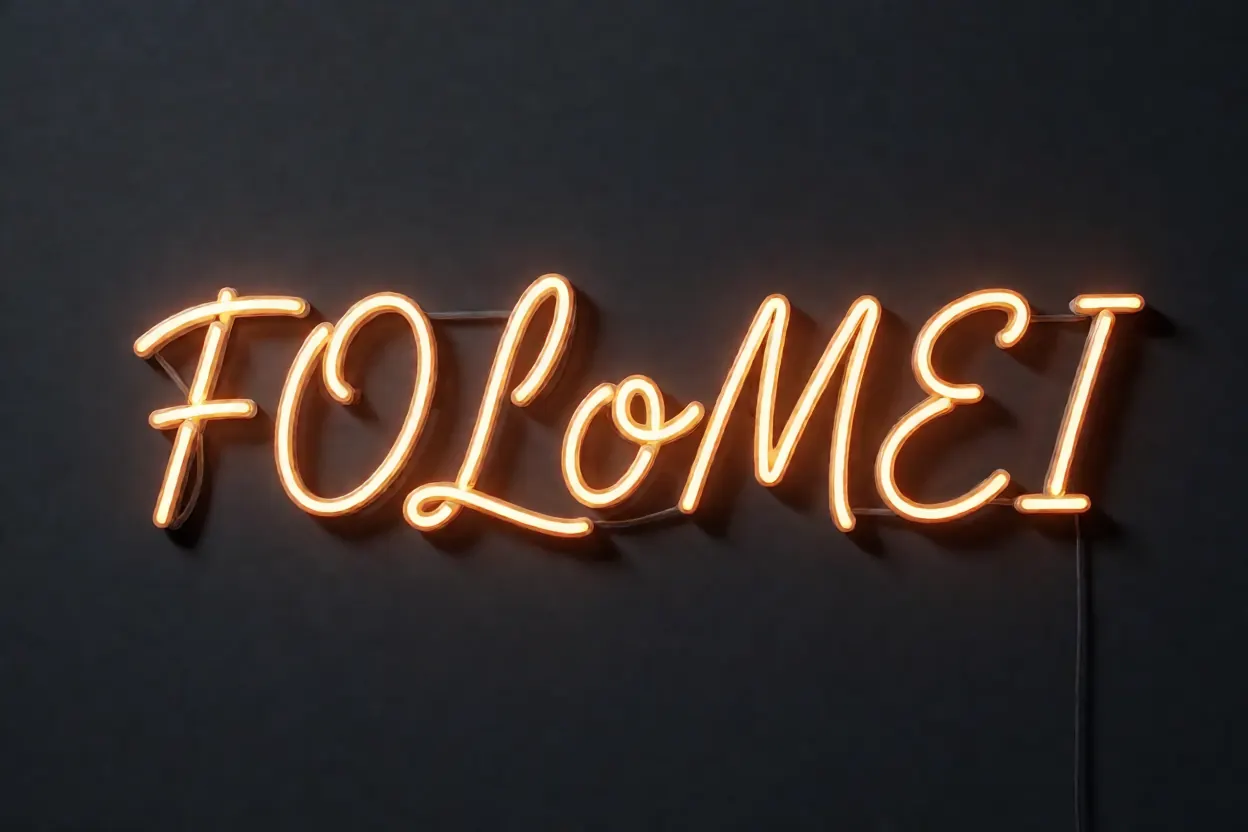
LED neon is a flexible silicone strip of LEDs bent along a single-line path — the stroke of your logo or lettering — mounted on a cut-to-shape acrylic backer. It runs on 12 or 24 volts, plugs into a wall socket like a lamp, and ships folded or flat. It has no depth and no face to illuminate: the line itself is the light.
Side-by-Side
Channel letters
LED neon
Form
3D fabricated letter boxes, 60–200 mm deep
Single-line flex tube on a flat backer
Legibility at distance
Strong — designed for 50–300 ft
Weak past about 20–30 ft
Light behaviour
Even panel of light behind a face, or a wall halo
A bright line; the surrounding area stays dark
Typical use
Storefront fascia, pylon, building identification
Interior walls, bars, events, logo features
Power
Hard-wired, dedicated circuit, permit usually required
Low voltage, plugs into a standard socket
Weather rating
Built for permanent exterior exposure
Indoor standard; IP-rated builds for outdoor
Repair
Replace a module or a face panel on site
Swap a segment or the whole piece
Graphic change
New face or new letters
New piece, or re-bend the design
Minimum stroke
Any letterform the drawing allows
Fine script must be thickened to be buildable
Distance Is the Real Test
Stand where your customer stands. If they are in a car at an intersection, or across a parking lot, the sign has to be legible in under two seconds: that is channel letters, and it is why every fuel station, pharmacy chain and QSR uses them. If they are sitting at a bar looking at the wall, the sign is decor — the glow matters more than the reading, and LED neon does it better and cheaper.
A rough rule we use on real projects: if the intended viewing distance is over 30 feet, do not use neon for the primary identification. It will look bright in a photo and disappear on the street.
LED neon: the line is the light. Built for interiors and close-range reading.
How the Cost Structures Differ
Channel letters are priced per letter, and the price is driven by letter height, lighting type, quantity and destination. Our 2026 cost guide breaks the factory-direct ranges down by height and quantity. The cost is concentrated in fabrication — bending and welding aluminum, forming faces, wiring modules — plus the electrical work and permit on your side.
LED neon is priced per piece: the length of tube in the design, the backer, the power supply and the packing. There is no electrical contractor in the loop and no permit in most jurisdictions, because it is a plug-in low-voltage fixture. That is why a neon piece can be cheaper than a small set of letters even though the material cost per metre is higher.
The pattern we see most often in hospitality and retail: channel letters or a lightbox on the exterior for identification, LED neon on the interior wall for the photograph people post. Same brand, two jobs. The only rule is to keep the letterforms consistent, because the neon version will be judged against the exterior sign in every photo.
Permits and Electrical
Exterior illuminated signage is regulated almost everywhere in North America: sign permits, sometimes electrical permits, and increasingly energy or light-trespass limits. Channel letters are built to accept NRTL-listed components and we supply mounting and wiring drawings for the permit application. LED neon, as a plug-in low-voltage fixture, usually falls outside signage permitting when used indoors — but check with your local authority before you assume that for an exterior installation.
FAQ
Can LED neon replace my storefront sign?
Only if the sign is meant to be read at close range. Neon produces a bright line, not an illuminated panel, and it loses legibility quickly with distance. For a fascia viewed from the street, channel letters or a lightbox will always outperform it.
Which one is cheaper?
For small interior pieces, neon usually is, because there is no electrical work or permit. For a storefront at street scale, channel letters win on cost per square foot of readable sign — a neon piece large enough to read from the road is mostly empty acrylic.
How long does each last?
Both are long-life if built properly. Channel letters are serviceable: a failed LED module is replaced in minutes without removing the sign. Neon flex is rated in the tens of thousands of hours; if a section fails it is swapped or the piece is rebuilt.
Can I use neon outdoors?
Yes, with an IP-rated outdoor build: sealed ends, gasketed connectors, weather-rated power supply and a coated backer. Tell us the exposure — covered patio, coastal wall, full sun — and we spec the sealing for it.
What files do you need to quote either one?
Vector artwork (AI, EPS, PDF or SVG). For letters we also need the target letter height, quantity and mounting method; for neon, the finished size, colour and whether you want a dimmer.
Most custom channel letters cost $20–$80 per letter factory-direct from China, or $200–$700 per letter installed by a U.S. local sign shop — a 5–10x gap that comes almost entirely from labor, middlemen, and markup, not from the sign itself. The exact number you’ll pay depends on four things: letter height, lighting type (front-lit vs. halo-lit), order quantity, and whether your quote covers the full landed cost (freight, duty, installation) or just the letters.
This guide gives you the price tables most suppliers won’t publish, then walks through a real landed-cost calculation — DDP shipping from a Chinese factory versus buying locally installed — so you can see where every dollar goes before you request a quote.
How much do channel letters cost in 2026? · 38s
Why we don’t publish a starting price for monument or ADA signs
Channel letters can be quoted per letter because one letter is a comparable unit: the same height, the same construction, the same lighting. Monument signs and ADA sign packages cannot be priced that way, and a single number for them would mislead you rather than help you.
A monument or pylon sign is quoted as a structure, not as a sign. What drives the number is the foundation and mounting detail (concrete footing, base cladding, wind load for your area), the cabinet size and depth, the number of faces, whether the faces are illuminated and from which side, how the letters are attached to the face, and how the whole thing is shipped — often as an oversized freight item rather than a parcel. Two monuments that look identical in a render can differ by a factor of three once the footing and the wind load are priced.
ADA signage is priced by the room schedule, not by the sign. The cost lives in how many rooms, in which mounting type (wall, door, restroom with the required tactile and braille layout), which finish, and how the set is organised for installation — every door needs its own copy, and a 60-room hotel is a very different order from a two-door office.
So instead of a list price we tell you what actually changes the number, and quote from your drawing:
Monument and pylon: send the site photo, the approximate overall dimensions, and whether the faces need to be illuminated at night. The anchoring and wind-load detail is confirmed at drawing stage, not guessed.
ADA and wayfinding sets: send the room list or the floor plan with door count. That single input usually moves the quote more than any material choice.
Channel letters: those we can quote per letter, and the tables above are the honest range — that is the one product where a published range genuinely means something.
If a supplier quotes you a firm “from” price for a monument without asking about the footing or the wind load, that number is not a price, it is a placeholder.
Quick Answer: Channel Letter Price Ranges at a Glance
Purchase Route
Typical Price
What’s Included
China factory-direct, front-lit
$20–$80 per letter
Letters + LED modules + power supplies, FOB/DDP options
Notes on sources: the factory-direct ranges reflect typical published pricing from Chinese signage manufacturers surveyed in October 2026 (competitor-published data, e.g., aochuangsign’s $20–80/letter range); the $200–700 installed range reflects commonly cited U.S. local-market figures. Actual pricing varies by project — all final numbers are subject to Folomei’s official quotation. Folomei issues firm, itemized quotes within 24 hours of receiving your logo file.
A few sanity checks before you read further:
Per-letter pricing is the industry’s shorthand, not a literal quote. A 12″ front-lit letter and a 36″ halo-lit letter can differ by 8x. The tables below break the ranges down properly.
A “channel letter sign” usually means a set of letters plus a power supply and mounting system. Budget for the whole kit, not just the letters.
The cheapest per-letter price is not the cheapest sign. Freight and duty can double a naive quote — which is why we run a full landed-cost example below.
Channel Letter Price Table by Size, Lighting Type, and Quantity
The three variables that move your per-letter price the most, in order of impact: letter height, lighting type, and quantity. Here’s how each one plays out.
1. Price by Letter Height (Front-Lit, Factory-Direct)
Letter Height
Typical Factory Range (per letter)
Typical Use Case
8″–12″
$20–$40
Small storefronts, suites, interior branding
16″–24″
$35–$60
Standard retail and restaurant fascia
28″–36″
$55–$80
Large-format facades, buildings set back from the road
36″+ / custom
Quote required
Oversized letters, logos, multi-piece builds
Larger letters cost more per letter because LED module count, aluminum returns, and acrylic face area all scale with height — but not linearly. A 24″ letter typically costs about 1.6–1.8x a 12″ letter, not 2x, because the power supply and raceway costs are shared across the set.
2. Price by Lighting Type (Factory-Direct)
Lighting Type
Typical Factory Range (per letter)
Premium vs. Front-Lit
Front-lit (face-lit)
$20–$80
baseline
Halo-lit (reverse-lit)
$35–$120
+20–30%
Open-face / exposed LED
varies, often higher
quote required
Push-thru / combo (front + halo)
highest tier
quote required
Halo-lit letters carry a 20–30% premium because the light has to travel backward: the face is aluminum instead of translucent acrylic, the return needs a sealed light-tight channel, and LED module placement must be calculated so the halo on the wall is even rather than blotchy. Poorly engineered halo letters are the most common factory defect we see in this category — more on that in our halo-lit comparison guide.
3. Price by Order Quantity (Factory-Direct)
Quantity
Effect on Per-Letter Price
Why
1–5 letters (sample / small set)
Highest per-letter price
Setup, programming, and power supply costs spread over few letters
10–30 letters (typical storefront)
Standard quoted range
The volume most factories price against
30+ letters or multi-location rollout
10–25% lower per letter
File reuse, batch LED production, consolidated freight
If you’re a sign shop planning a multi-location rollout, file reuse matters more than raw quantity: once your letter set is engineered and approved, repeat orders skip the design and sampling stages entirely. This is where the biggest per-letter savings hide.
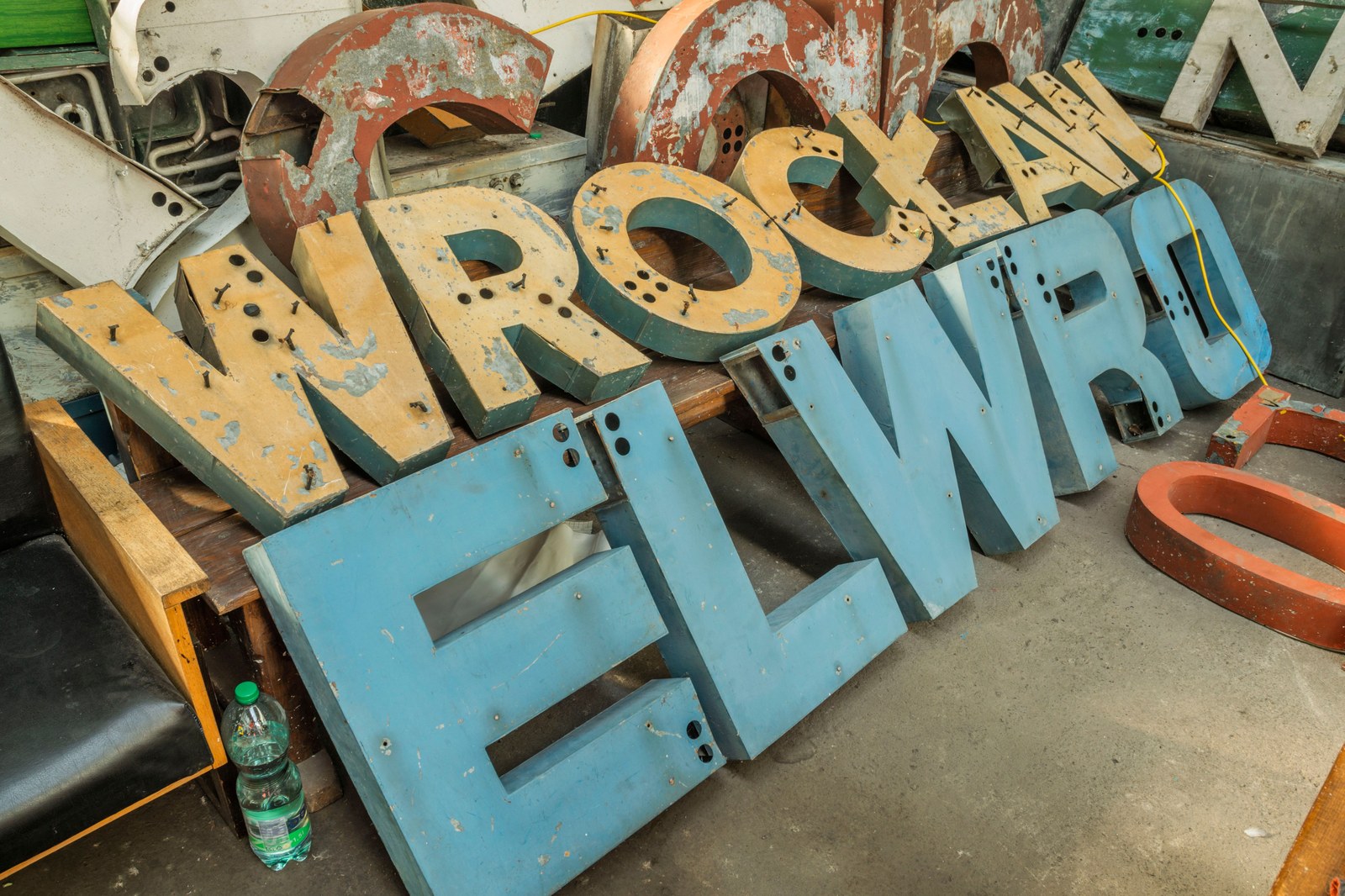
Image: sign workshop with stacked dimensional channel letters (illustrative) — Pexels #29017481, Pexels License (free for commercial use). Photo: https://www.pexels.com/photo/29017481/
Factory-Direct vs. Local Installed: Where the 5–10x Gap Comes From
When a U.S. sign shop quotes you $250–$700 per letter installed, that number bundles four cost layers:
Materials and LED hardware — roughly $30–$90 per letter at wholesale. This is the layer that overlaps with what a factory charges.
Local fabrication labor — U.S. shop-floor labor for bending, welding, and wiring.
Permitting, engineering, and electrician costs — often $1,000–$3,000 per project regardless of letter count.
Shop overhead and margin — rent, sales staff, and profit, typically 40–60% of the final invoice.
When you buy factory-direct and self-manage (or use a local installer for mounting only), you keep layers 1 and part of layer 2 inside the factory price. Layers 3 and 4 don’t disappear — permits and installation are still real costs — but they become line items you control instead of a bundled markup.
The honest caveat: factory-direct is not free money. You take on freight timing (ocean freight to the U.S. typically runs 40–65 days), import duty, and the coordination of a local installer for mounting and electrical hookup. Whether that trade is worth it depends on your timeline and your appetite for a little project management — which is exactly what the next section quantifies.
Landed Cost Example: 20-Letter Storefront Sign, DDP from China vs. Local Installed
Let’s price the same sign two ways: a 20-letter front-lit set, 20″ tall, for a retail storefront.
Option A — U.S. Local Sign Shop (Installed)
Line Item
Typical Range
20 letters, fabricated and installed
$200–$700/letter → $4,000–$14,000
Permit & engineering (bundled or separate)
often included in above, or $1,000–$3,000
Project total
$4,000–$17,000
The wide range reflects regional labor costs and shop margins. The per-letter bundle is the dominant variable.
Option B — China Factory-Direct, DDP to Your Door
DDP (Delivered Duty Paid) means the factory handles freight, export clearance, U.S. import duty, and final delivery — you receive one shipment with all landed costs settled. Using Folomei’s DDP shipping to the U.S. and Canada as the model:
Line Item
Typical Range
20 letters factory price ($35–$60/letter at this size)
$700–$1,200
Power supplies, wiring, raceway/mounting
$200–$400
Ocean freight + DDP duty handling (illum. signs, HTS 9405 class; Section 301 tariff applies — your quote states the rate)
The spread: roughly $2,000–$12,000 on the same 20-letter sign. Even the most conservative factory-direct scenario lands well below the midpoint of a local installed quote. Your real costs are time (6–10 weeks ocean transit vs. 2–4 weeks locally) and coordination (two vendors instead of one).
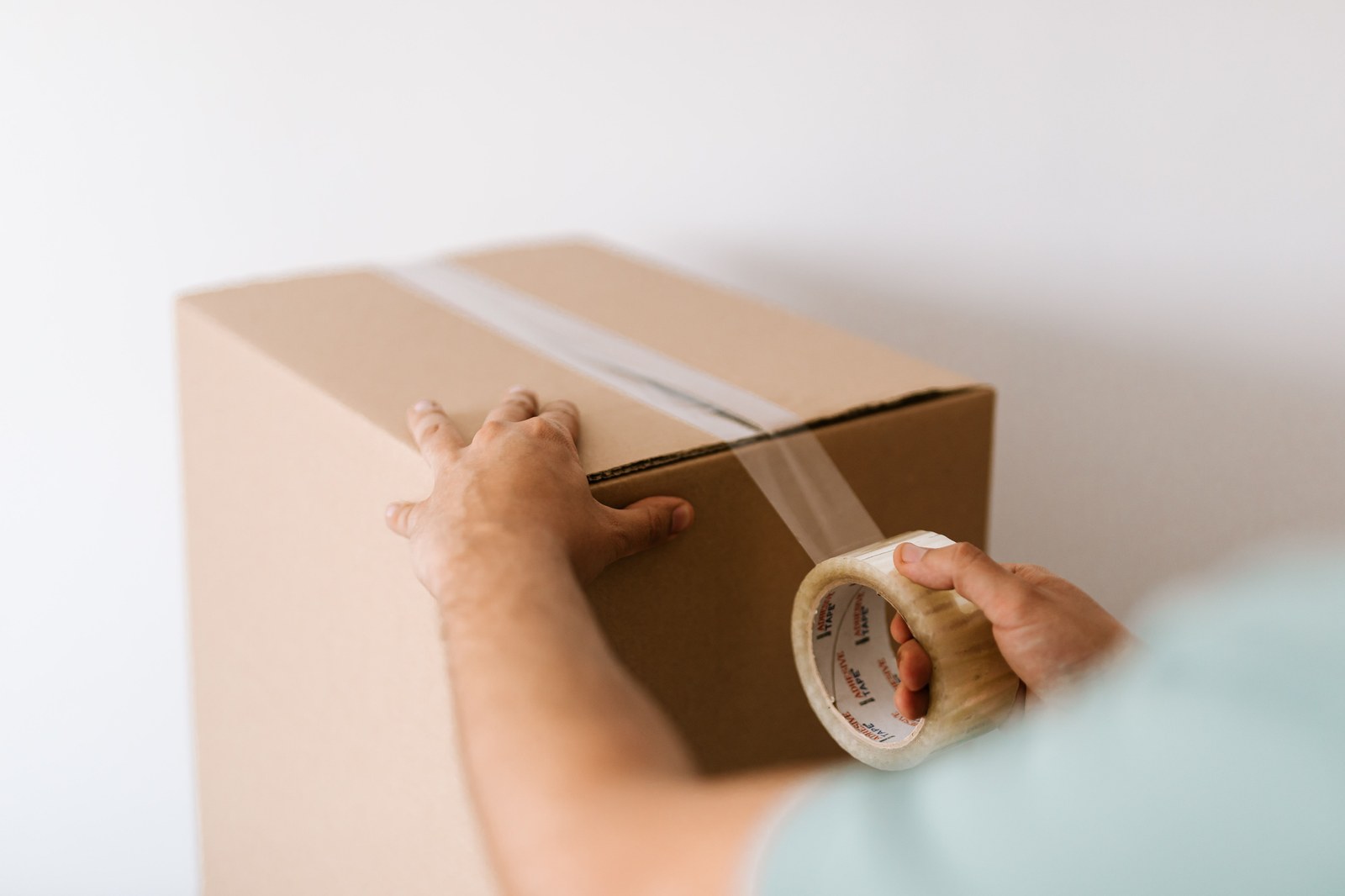
Image: sealing an export carton for shipment (illustrative) — Pexels #4498139, Pexels License (free for commercial use). Photo: https://www.pexels.com/photo/4498139/
A note on duty: illuminated signs and their parts generally classify under HTS heading 9405, and additional Section 301 tariffs apply to many goods from China — the rate on your Folomei DDP quote is stated explicitly, already baked into the delivered price. Under DDP you don’t deal with customs brokers at all; the shipment arrives duty-paid.
6 Factors That Change Your Channel Letter Price
Beyond size, lighting, and quantity, these six variables move quotes the most:
Letter height and stroke width. Taller letters need more LED modules and more aluminum; wide-stroke fonts (bold, slab) hold larger faces and more modules than thin scripts. A delicate script font can cost more than a block font at the same height because each letter needs more individual bends.
Lighting type. As tabled above: front-lit is the baseline, halo-lit runs +20–30%, and push-thru or combo builds sit at the top of the range.
Mounting system. Individual letters (pin-mounted, each letter wired separately) cost more in labor than a raceway mount (all letters pre-wired on one aluminum strip). Raceway also cuts your installer’s on-site hours — often the smarter spend even though it adds factory cost.
Certifications and component grade. UL-certified LED modules and power supplies are standard for North American installs (your electrical inspector will likely ask), and they cost slightly more than uncertified components. Folomei builds with UL/ETL certified LED modules and power supplies as standard; certification documents are available on request.
Color matching and face material. Standard translucent acrylic colors (white, red, amber, blue) are commodity items. Custom Pantone-matched faces, 3M 3630-series vinyl overlays, or specialty lenses add material cost — usually modest, but it adds up over 30+ letters.
Logo complexity. Letters are predictable; logos are not. A multi-color abstract logo may need more individual “letters” (each shape is fabricated separately), more module layouts, and more engineering time. This is why reputable factories quote from your actual artwork file, not a per-letter formula alone.
How to Read a Channel Letter Quote (and Spot the Padding)
Because factory quotes vary widely in format, use this checklist when comparing any two quotes side by side:
Incoterm first. FOB, EXW, CIF, and DDP are not comparable numbers. A $1,000 FOB quote can easily become $1,600 landed; a DDP quote is the final number at your door. Normalize everything to DDP before comparing.
LED module brand and count. Two quotes for the “same” letters can differ 20% in brightness and lifespan based on module grade. Ask for module model numbers and the per-letter module count from the layout calculation.
Power supply spec. UL/ETL certified supplies (Mean Well and similar grades) cost a few dollars more per unit and pass inspection the first time. Uncertified supplies are the most common corner cut in low quotes.
Face material thickness. 3mm acrylic is the standard for most letter heights; thinner face stock on oversized letters is a failure waiting for its first hailstorm.
What’s in “free.” Design, 3D mockup, and layout drawings should all be included. If any of them is a paid add-on, that’s usually a sign the base price is being recouped elsewhere.
One structural note: if a quote arrives without a layout drawing or module calculation, the factory hasn’t engineered the letters yet — they’ve priced a guess. Folomei includes the LED layout calculation in every quote, and issues a free 3D mockup before any deposit is discussed, so you’re approving a design, not a rendering of one.
How to Save Money on Custom Channel Letters (Without Cutting Corners)
Standardize your font. Switching from a custom script to a clean sans-serif can cut per-letter cost 15–25% at the same height — and usually improves legibility from the road anyway.
Use a raceway mount. One pre-wired raceway means fewer on-site electrical connections, and installers charge less for a one-point hookup.
Order the whole storefront package from one factory. If you also need a lightbox cabinet, window graphics, or interior ADA signs, consolidating into one shipment saves duplicated freight and keeps every piece on the same color standard. (See our storefront sign cost guide for the package-level math.)
Reuse approved files across locations. Chains and franchises: your second location’s letters should cost meaningfully less than the first. Ask explicitly whether file reuse is priced in.
Sample before you scale. One sample letter costs a fraction of a full set and catches LED layout, color, and sealing issues before they’re multiplied by 30. It’s the cheapest insurance in this business.
Quote DDP, not FOB. An FOB price looks lower until you add freight, duty, and brokerage. A DDP quote is the real number — insist on it when comparing factories.
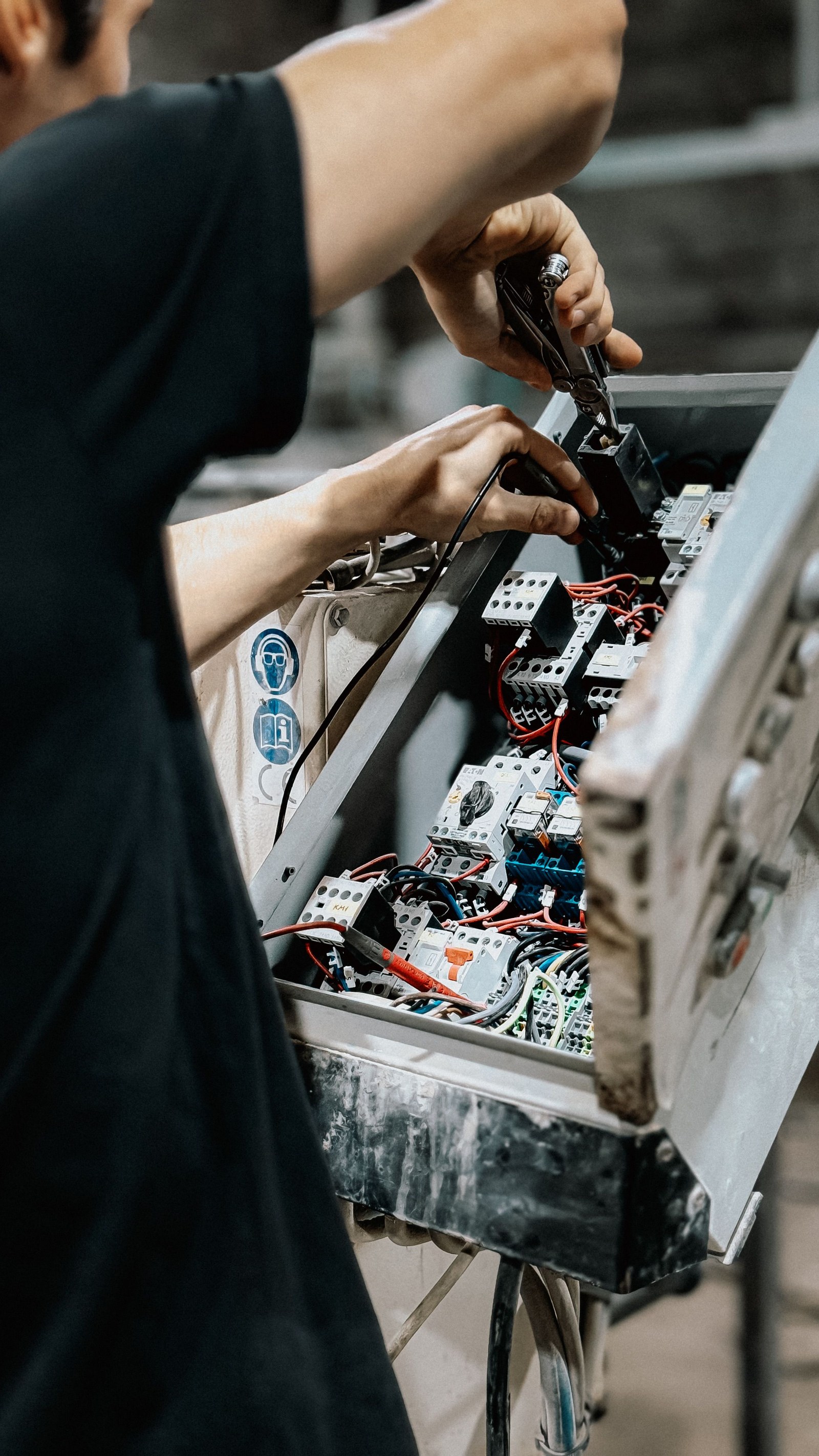
Image: technician pre-wiring an electrical control panel, illustrative of raceway wiring practice — Pexels #33694019, Pexels License (free for commercial use). Photo: https://www.pexels.com/photo/33694019/
FAQ: Channel Letter Costs, Answered Straight
How much does a channel letter sign cost per letter?
Factory-direct from China: about $20–$80 per letter for front-lit and $35–$120 per letter for halo-lit, depending on size and quantity. Installed by a U.S. local shop: $200–$700 per letter all-in. Final pricing depends on letter height, lighting type, and order size — request a firm, itemized quote for your actual artwork.
What hidden costs should I budget for?
Four items that factory letters don’t include: local installation labor ($500–$1,200 for a typical storefront), electrical hookup by a licensed electrician, municipal permit fees ($0–$1,000 depending on jurisdiction), and — if you buy FOB instead of DDP — ocean freight and import duty. Buying DDP folds freight and duty into one quoted price.
How long do channel letters last?
A well-built channel letter set with quality LED modules typically runs 8–15 years. The LEDs themselves are usually rated 50,000+ hours (11+ years at 12 hours/day); what usually fails first is a power supply or a sealed-face gasket, both of which are inexpensive, modular replacements — not a full re-fabrication.
How long does it take to make custom channel letters in China?
Typical production is 10–15 days after artwork approval, plus ocean freight of 40–65 days to U.S. coasts (air freight ~10 days at a higher cost). Factor in sampling and you should plan 8–10 weeks from first contact to installation for an ocean shipment. Folomei confirms a written schedule with every quote and issues a 3D mockup before production starts.
Do I pay import duty on signs from China?
Yes — illuminated signs generally classify under HTS heading 9405, and Section 301 additional tariffs apply to goods of Chinese origin. If you buy DDP, the factory settles all duty and the price you’re quoted is the price you pay at delivery. Always confirm the Incoterm before comparing quotes.
Get a Firm Price in 24 Hours
Every sign is quoted from real artwork, not guesswork. Send Folomei Signs your logo file and you’ll receive:
A free 3D mockup showing your letters on your actual facade
A firm, itemized quote within 24 hours — DDP to your door in the U.S. or Canada, duty and freight included, no surprises at customs
UL/ETL certified LED modules and power supplies as standard, with spec sheets your inspector will accept
Front-lit channel letters shine forward through a translucent acrylic face for maximum visibility — halo-lit letters shine backward onto the wall for a premium outline glow — and the right choice comes down to brand tone, wall surface, and roughly a 20–30% cost difference. Front-lit wins on brightness and price per letter; halo-lit wins on elegance and upscale positioning. Many high-end facades combine both.
This comparison breaks down the two lighting styles across appearance, cost, maintenance, wall requirements, and the businesses each one fits — with a side-by-side photo checklist you can use to judge the difference on real buildings, not just renders.
Front-lit vs halo-lit channel letters: which one to choose · 49s
What Is a Front-Lit (Face-Lit) Channel Letter?
A front-lit channel letter — also called a face-lit or standard illuminated letter — is the classic lighted storefront letter: an aluminum return (the letter’s side wall), LED modules inside, and a translucent acrylic face that light shines straight through toward the street.
Key characteristics:
Light direction: forward, out of the face
Daytime look: colored acrylic faces, clean and familiar
Nighttime look: fully illuminated letterforms — the entire letter glows
Brightness: the brightest option per watt; readable from the greatest distance
Best for: retail, restaurants/QSR, any business whose sign needs to compete for attention
Because the acrylic face does the “glowing,” front-lit letters are forgiving to engineer: module placement is calculated for even face illumination, and any hot-spot issues are fixable by adjusting module density — a mature, well-understood process at any competent factory.
What Is a Halo-Lit (Reverse-Lit) Channel Letter?
A halo-lit channel letter — also called a reverse-lit or back-lit letter — flips the design: the face is solid aluminum (painted to match the building or the brand), and LED modules are aimed backward, washing light onto the wall behind each letter. At night, each letterform appears as a soft glowing outline floating off the wall.
Key characteristics:
Light direction: backward, onto the mounting surface
Daytime look: sleek metal letterforms — many premium brands prefer this minimal look even before the lights come on
Nighttime look: a warm or cool halo tracing each letter’s edge — subtle, architectural, expensive-looking
Brightness: lower than front-lit by design; this is mood, not megaphone
Best for: law firms, hotels, medical offices, boutique retail, corporate HQs
The engineering is less forgiving than front-lit. The halo effect lives or dies on three things: a consistent standoff distance from the wall (typically ~1–1.5 inches), sealed light-tight construction so light escapes only at the back, and a calculated module layout so the halo is even rather than blotchy. A poorly built halo letter shows dark spots and uneven glow from the sidewalk — which is why you should always see a sample before committing a full set.
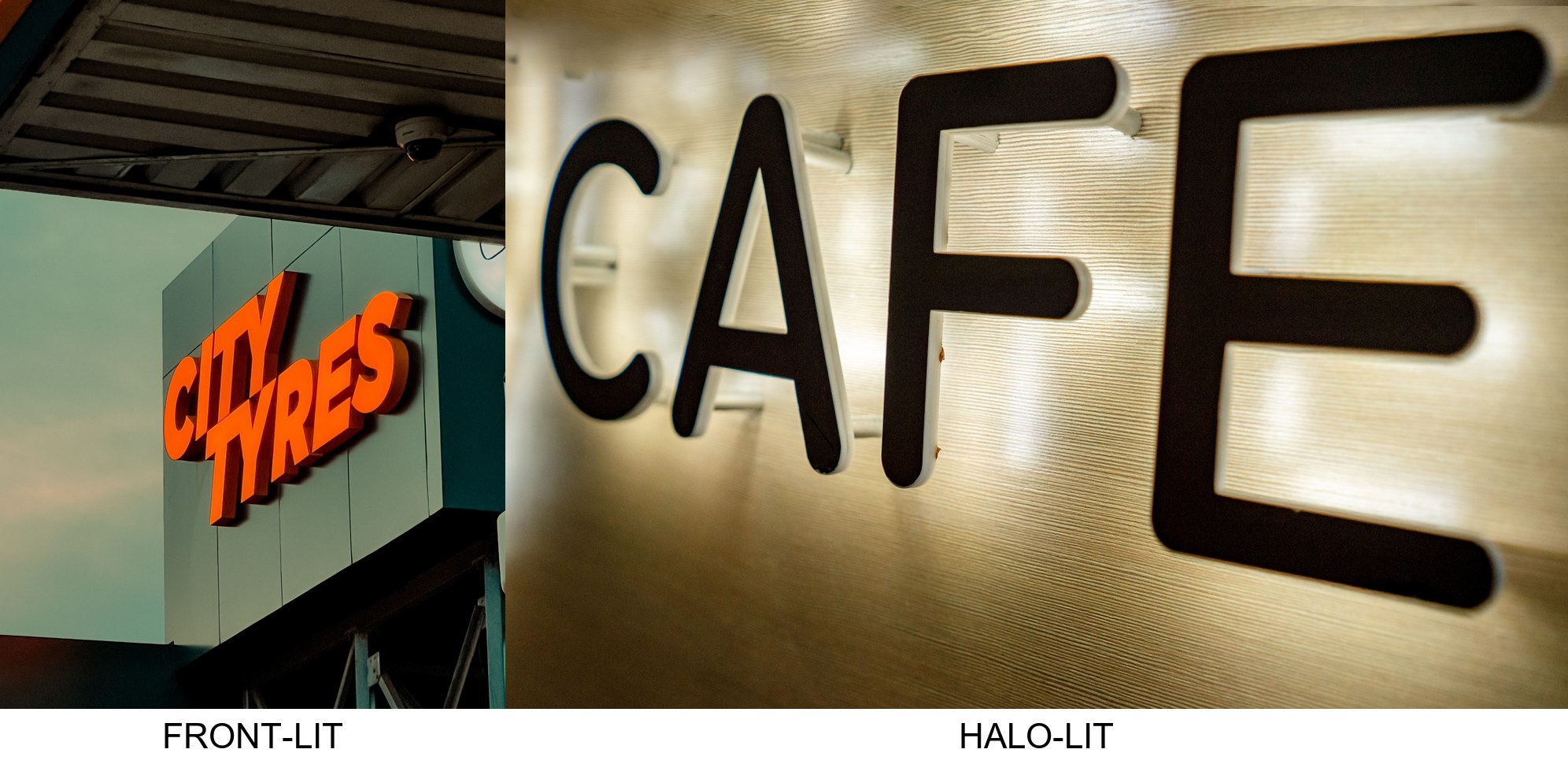
Image: composite comparison built from two licensed photos (组合图) — left “FRONT-LIT”: Pexels #38964894 (front-lit letters at dusk), right “HALO-LIT”: Pexels #12944739 (halo-lit letters glowing from behind). Both Pexels License, free for commercial use. Photos: https://www.pexels.com/photo/38964894/ , https://www.pexels.com/photo/12944739/
Front Lit vs Halo Lit: Core Comparison Table
Dimension
Front-Lit (Face-Lit)
Halo-Lit (Reverse-Lit)
Light direction
Forward through translucent acrylic face
Backward onto the wall behind
Night appearance
Fully glowing letterforms; high visibility
Soft outline glow; architectural, understated
Day appearance
Colored acrylic faces
Sleek solid-metal letterforms
Brightness / visibility
Highest; readable from far down the road
Lower; ambient halo, best up close
Relative cost (factory-direct)
Baseline (~$20–$80/letter typical factory range)
+20–30% (~$35–$120/letter typical factory range)
Why it costs that
Simpler face material, standard module layout
Aluminum face, sealed returns, standoff hardware, careful LED calc
Maintenance
Occasional face cleaning; module replacement through the face
Face never needs polish; wall behind letter shows dust rings over years; module access via removable back
Wall requirements
Works on nearly any facade
Needs a smooth, light-colored wall — the halo reflects off the wall itself
Brand tone
Bold, energetic, attention-first
Premium, quiet confidence, design-led
Best-fit businesses
QSR, retail, gas stations, strip-mall shops
Law firms, hotels, med spas, dental/medical, corporate offices
Price ranges are typical factory-direct figures surveyed from Chinese signage manufacturers in October 2026 (competitor-published data); all final pricing is subject to Folomei’s official quotation — Folomei issues firm itemized quotes within 24 hours.
The Cost Difference, Explained: Why Halo-Lit Runs 20–30% Higher
The premium isn’t a “luxury tax” — it’s traceable to three build differences:
No cheap glowing face. A front-lit letter’s most visible component is a translucent acrylic face; a halo letter replaces it with a formed and painted aluminum face — more material, more finishing, tighter tolerances so light doesn’t leak around the edges.
Sealed light-tight construction. Halo letters must contain all their light except what exits the back. That means welded or seamed returns with light-blocking treatment inside — labor the front-lit letter doesn’t need.
Standoff hardware and layout engineering. Each letter mounts on spacers that hold a precise gap off the wall, and the LED modules inside are positioned per a layout calculation so the halo on the wall is even. Folomei ships a standoff layout drawing with every halo order so your installer sets each mounting point to spec on the first pass — no re-drilling a client’s brick facade.
Worth noting: the 20–30% premium applies at the factory level. In a U.S. local-shop quote, halo-lit often carries an even larger premium because the precision mounting is more installer-hours. The factory-direct route compresses that difference.
Which Should Your Business Choose? A Quick Guide by Industry
Restaurants & QSR → Front-Lit (usually)
Fast food lives and dies by drive-by recognition. A fully glowing red-and-yellow letterform is visible from hundreds of feet at night and reads instantly against the visual noise of a commercial strip. QSR brand standards almost universally specify front-lit letters. Exception: an upscale wine bar, craft cocktail room, or fine-dining room on a quiet street — that’s halo territory, where the sign whispers “evening” instead of shouting “open.”
Law Firms, Accounting & Professional Offices → Halo-Lit
Professional services sell trust and restraint. A softly glowing outline on a stone or dark-metal facade reads as established and expensive — exactly the client’s first impression. Front-lit acrylic faces in primary colors would undercut the positioning. If the office is in a multi-tenant building with strict signage codes, halo-lit letters are also more likely to pass design review.
Retail → Front-Lit (with one exception)
Stores need to be found. Front-lit letters maximize legibility from the parking lot and the road, which is what converts drive-bys into walk-ins. The exception: boutique and luxury retail, where the brand is deliberately understated — halo-lit letters on a clean white or dark storefront signal premium the way unbranded packaging does.
Medical, Dental & Wellness Clinics → Halo-Lit (or a combo)
Clinics want calm and cleanliness. A halo glow on a light-toned facade reads modern and spa-like; glowing acrylic faces read more like retail. Medical buildings on busy roads sometimes use front-lit letters on the road-facing sign while the entrance-level suite gets halo-lit letters — tiering visibility by distance.
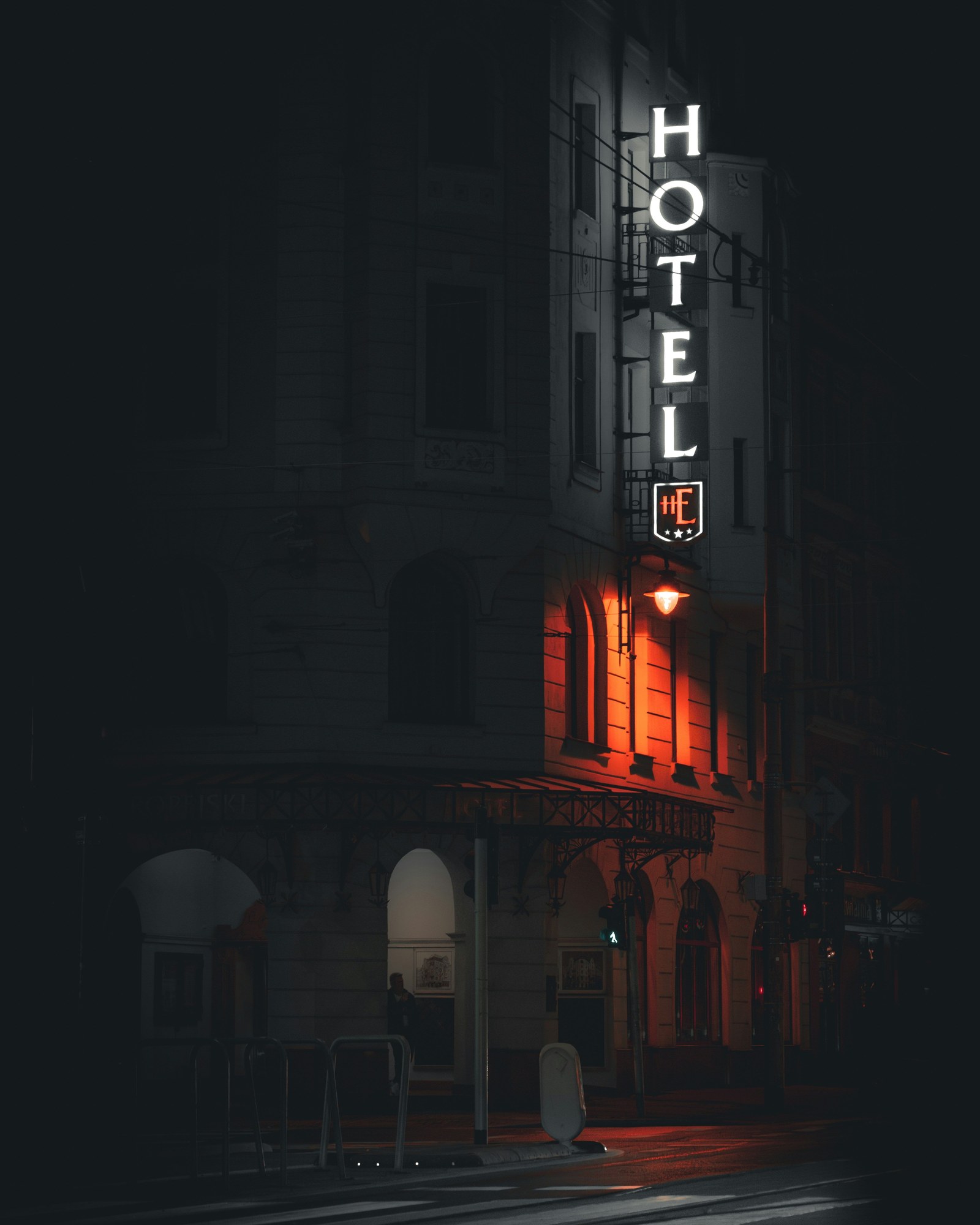
Image: illuminated hotel letters on a building facade at night (illustrative) — Pexels #35757436, Pexels License (free for commercial use). Photo: https://www.pexels.com/photo/35757436/
The Detail Most Guides Skip: Your Wall Decides More Than Your Budget
Halo-lit letters don’t glow on their own — the wall is half the fixture. The light washes backward and reflects off the mounting surface, so:
Light, smooth walls (white stucco, light brick, light stone, painted CMU) produce the brightest, most even halo.
Dark walls swallow the light; you’ll need higher-output modules (more cost) and the effect still reads subtler.
Rough, textured walls (split-face block, heavily textured stucco) scatter the halo and can look blotchy — front-lit is usually the safer call.
Standoff distance matters: too close and the halo is a thin hard line; too far and the letters look like they’re floating unattached. ~1–1.5 inches is the standard engineered gap, set per the layout drawing.
Front-lit letters have no such constraint — the face glows regardless of wall color or texture — which is one more reason they dominate strip-mall and roadside applications.
Can You Combine Both? Yes — Front + Halo Combo Letters
The premium option on the menu: letters with a translucent front face and backward halo illumination, giving you full letterform glow at night plus the floating outline effect. It’s the most expensive build type, but it solves a real problem — facades that need presence from a distance and elegance up close (hotels, flagship retail, medical campus entrances).
By day, combo letters look like crisp metal letters with subtle acrylic accents. By night, they’re fully lit from within and haloed behind. If your client is torn between the two styles, this is usually what ends the argument — at roughly the top of the factory price range (quote required per design).
Installation & Maintenance Differences Worth Knowing Before You Order
The two styles also differ in what happens after the shipment lands:
Installation labor. Front-lit letters on a raceway arrive pre-wired and hang as one unit — the fastest, cheapest install in the sign business. Halo-lit letters mount individually on standoffs, each set to the layout drawing, which takes more installer hours and rewards a careful crew.
Cleaning. Front-lit acrylic faces attract dust and need occasional cleaning to stay bright; halo-lit faces are paint, not acrylic, so they stay crisp — but the wall behind halo letters collects a visible dust ring over the years (the halo lights it up), and periodic wall cleaning keeps the effect even.
Service access. Both types are serviceable in place: modules are reachable through the removable face (front-lit) or back tray (halo-lit). Power supplies are the first component to fail in either style, and both are modular drop-in replacements — no re-fabrication required.
None of these differences changes the ranking; they just explain why the halo premium extends beyond the factory invoice into the install.
FAQ: Front Lit vs. Halo Lit, Answered Straight
Which is brighter, front-lit or halo-lit channel letters?
Front-lit is significantly brighter. The entire letterface glows and is legible from far down the road; halo-lit produces only an outline glow on the wall and is designed for ambiance at close range. For maximum roadside visibility, choose front-lit.
Which costs more, front-lit or halo-lit?
Halo-lit typically costs 20–30% more factory-direct (typical factory ranges: ~$20–$80/letter front-lit vs. ~$35–$120/letter halo-lit; final pricing subject to Folomei’s official quotation) because of the aluminum face, sealed light-tight returns, and standoff hardware. Local-shop quotes often show an even wider halo premium.
Can you combine front-lit and halo-lit in the same letters?
Yes. Combination letters use a translucent front face plus rear-facing modules, producing both a glowing letterform and a wall halo. They sit at the top of the price range and are common on hotels, flagship stores, and medical campuses.
Do halo-lit letters work on a dark wall?
They work, but poorly on very dark or textured surfaces — the halo reflects off the wall itself, so dark and rough walls mute or scatter the effect. On a dark facade, expect to specify higher-output modules, or choose front-lit letters instead.
Which style lasts longer?
Lifespans are comparable — a well-built set of either type with quality LED modules runs 8–15 years. Halo-lit’s solid aluminum face never yellows or fades the way an acrylic face can over many years of UV, but front-lit faces are inexpensive to replace if needed. In practice, power supplies and modules fail before either face does — and both are modular, inexpensive replacements.
See Your Facade Both Ways — Free
Still deciding? Don’t choose from a spec sheet. Send Folomei Signs your logo and we’ll produce a free 3D mockup of your letters in front-lit and halo-lit versions on your actual facade — plus a firm, itemized quote within 24 hours, DDP-delivered to the U.S. or Canada with UL/ETL certified LED modules and power supplies as standard.